
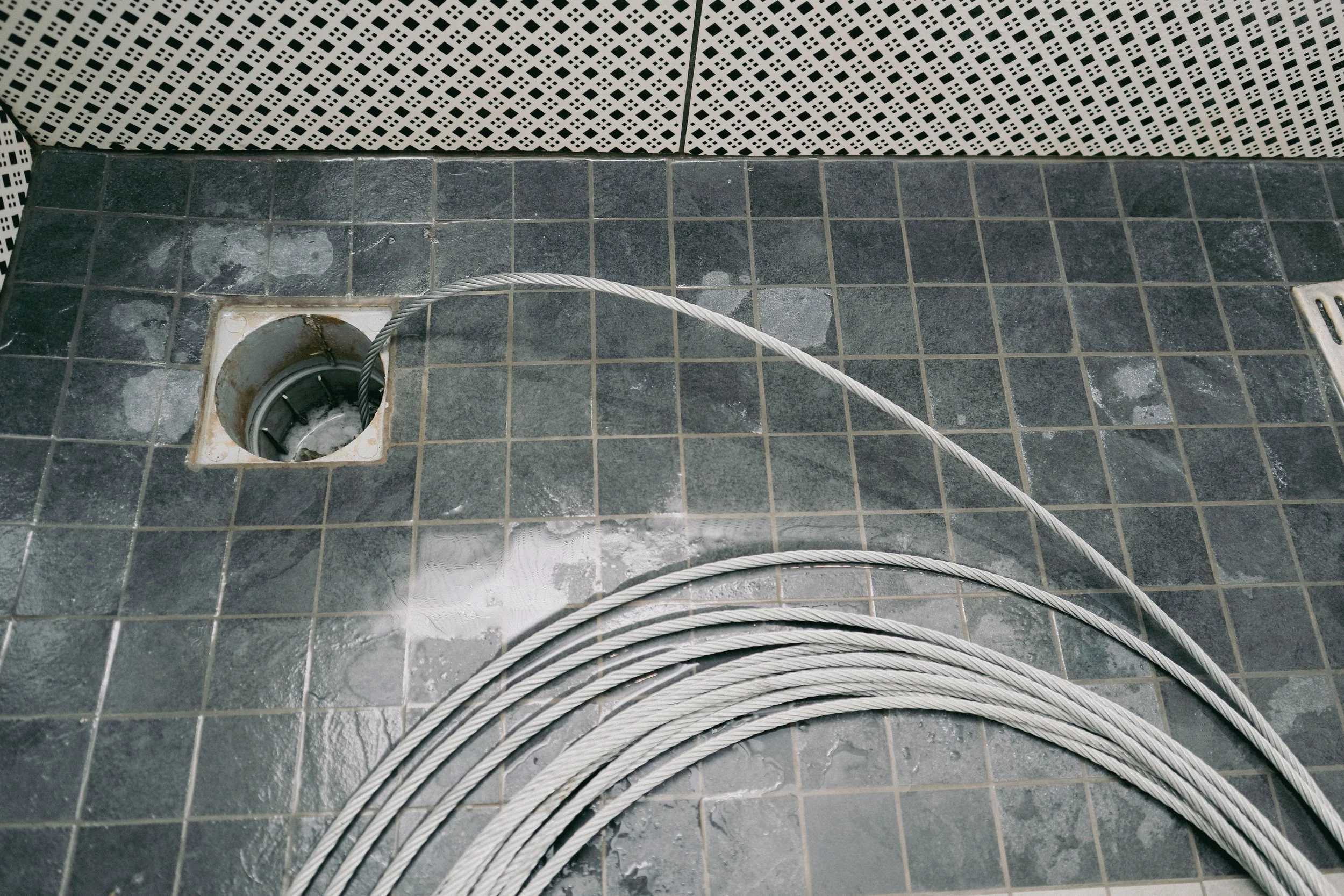
Clear the Line Before It Backs Up
Drain Cleaning in Clifton for slow drains, recurring blockages, and backups that interrupt daily use in kitchens, bathrooms, and main sewer lines
RG Plumbing and Drain Cleaning clears clogged drains for residential and commercial properties throughout Clifton and Northern New Jersey. You might notice water pooling in the shower, a kitchen sink that drains slower each week, or a toilet that gurgles when another fixture is used. These signs indicate a blockage forming in the drainpipe, often caused by grease buildup, soap scum, hair, or debris that's accumulated over time.
The work involves snaking the drain with a motorized auger or cable machine to break through the clog and restore flow. For more stubborn blockages or buildup along the pipe walls, advanced cleaning methods like hydro jetting may be used to remove grease, scale, and roots. The goal is to clear the obstruction completely, not just poke a hole through it, so the drain functions properly and stays clear longer.
If you're dealing with a slow drain or a backup, book a drain cleaning service with RG Plumbing to restore proper flow today.
What Drain Cleaning Involves and What It Solves
When you call for drain cleaning, the plumber starts by identifying the location and severity of the clog. A camera inspection may be used for main sewer lines or recurring issues to see what's inside the pipe and determine whether roots, bellied sections, or foreign objects are involved. For typical clogs, a cable auger is fed into the drain until it reaches the blockage, then rotated to cut through or pull out the obstruction.
After the cleaning, water drains quickly without pooling, the gurgling stops, and odors caused by standing water disappear. RG Plumbing also offers preventative maintenance options to keep drains flowing properly, especially for commercial properties or homes with older plumbing systems. Regular cleaning reduces the likelihood of emergency backups and extends the life of the drainpipes.
The service covers kitchen sinks, bathroom drains, laundry drains, floor drains, and main sewer lines. It does not include pipe replacement or repair of cracked or collapsed lines, though those issues can be identified during a camera inspection and addressed separately if needed.
Drain Cleaning Questions from Clifton Property Owners
Drain issues often raise concerns about what caused the clog, how long the repair takes, and whether the problem will return. Here are answers to the most common questions from homeowners and business owners in the area.
What causes drains to clog repeatedly in the same spot? Recurring clogs often result from grease buildup, soap scum, or tree roots infiltrating the sewer line through small cracks or joints. A camera inspection can reveal the underlying cause so it can be addressed properly.
How long does drain cleaning take? Most drain cleaning jobs are completed in under an hour. Main sewer line clogs or blockages requiring hydro jetting may take longer depending on the severity and location of the obstruction.
What's the difference between snaking and hydro jetting? Snaking uses a rotating cable to break through clogs, while hydro jetting uses high-pressure water to scour the inside of the pipe and remove buildup. Hydro jetting is more thorough and is used for grease, scale, and roots.
When should you schedule preventative drain cleaning? Preventative cleaning is recommended every one to two years for homes with older plumbing, large households, or frequent grease use. Commercial kitchens and multi-unit buildings benefit from more frequent service.
Why do drains in Clifton homes often clog during heavy rain? Heavy rain can overload older combined sewer systems or cause tree roots to expand and block drainpipes. If your drains back up during storms, it's a sign the main sewer line may be compromised.
RG Plumbing and Drain Cleaning is available for both emergency clogs and scheduled maintenance across Northern New Jersey. If your drains are slow or backing up, contact RG Plumbing to clear the line and restore normal flow.